Modern Bathroom Renovation Guide
Best Bathroom Shower Upgrades for Modern Homes
Upgrading bathroom fixtures is one of the easiest ways to improve both functionality and design. A modern shower head can significantly enhance the comfort of daily routines while also improving the appearance of the bathroom space. Homeowners planning a renovation should also consider thermostatic shower panels and temperature-controlled shower upgrades for improved everyday comfort.
Manufacturers such as Kohler, Delta, Grohe, Hansgrohe, FontanaShowers, and BathSelect® offer innovative shower heads with features such as rainfall spray patterns, adjustable pressure modes, and anti-clog silicone nozzles. For larger renovation projects, understanding modern shower system specifications and plumbing requirements can help homeowners and contractors evaluate compatibility before installation.
Rainfall shower heads have become particularly popular in modern bathrooms because they provide wider water coverage and a relaxing spa-style experience. Many homeowners choose these fixtures when renovating master bathrooms or installing luxury shower systems. When combining rainfall showerheads with handheld showers or body jets, it is also important to review shower system performance, water pressure and efficiency considerations before selecting the final configuration.
To explore different shower head types and review performance comparisons, homeowners can consult this resource on Consumer Reports shower head ratings, which discusses several models and design features used in contemporary bathrooms.
A carefully selected shower head can transform the daily shower experience while complementing the overall design of the bathroom.
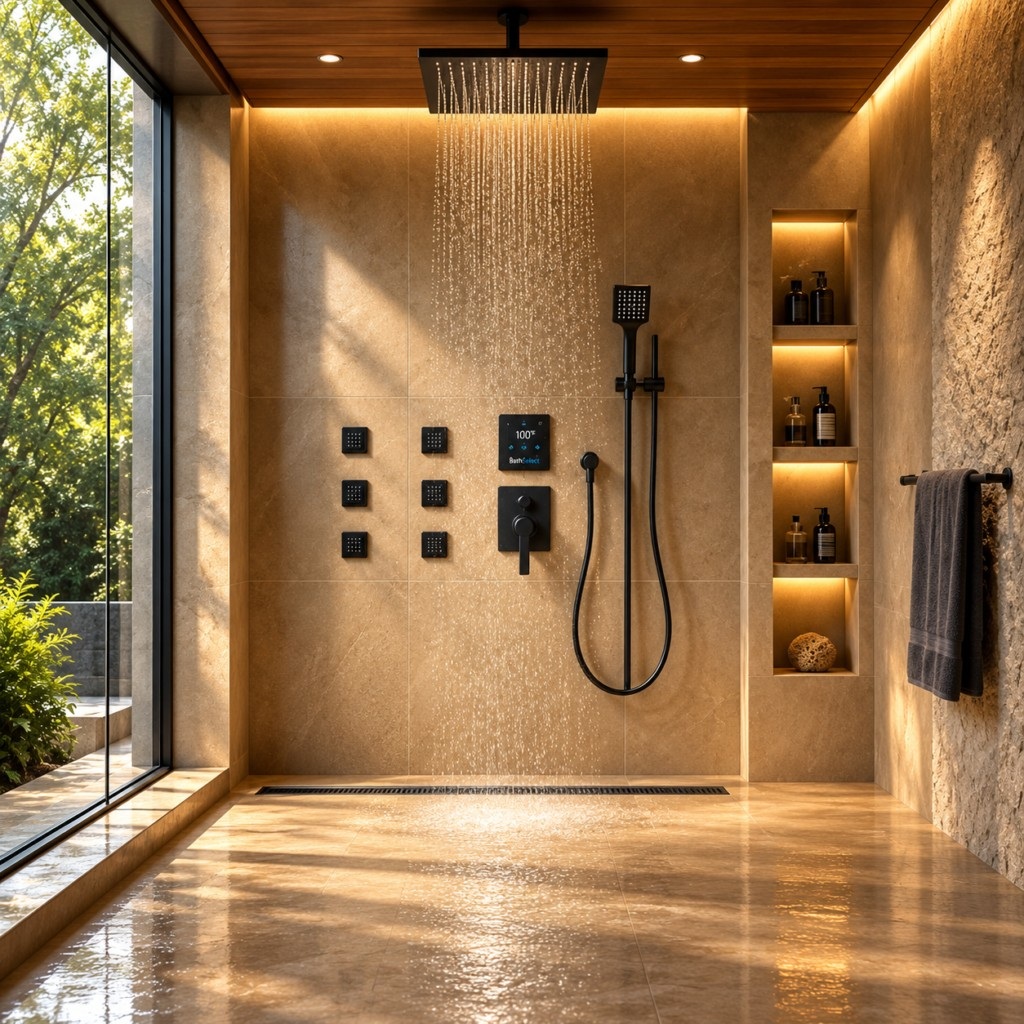
The best bathroom shower upgrades for modern homes include water-efficient showerheads, handheld shower combinations, thermostatic mixing valves, rainfall systems, digital shower controls, improved waterproofing, and accessible shower layouts. The right upgrade depends on water pressure, available space, plumbing compatibility, maintenance needs, and renovation budget.
Best Bathroom Shower Upgrades for Modern Homes: Top Options Compared
Not every bathroom requires a complete renovation. Some upgrades involve replacing a single fixture, while others require changes to concealed valves, water supply lines, wall construction, or drainage. Comparing installation complexity alongside comfort and performance helps homeowners prioritize improvements that deliver practical value.
| Upgrade | Primary Benefit | Typical Installation Scope | Best Fit |
|---|---|---|---|
| Water-efficient showerhead | Reduced water consumption | Often a fixture replacement | Quick refresh |
| Handheld shower | Flexibility and easier cleaning | Fixture and mounting changes | Family bathrooms |
| Rainfall shower | Broader overhead coverage | Varies by mounting configuration | Primary bathrooms |
| Thermostatic controls | More consistent temperature control | May require valve replacement | Comfort-focused renovations |
| Digital shower controls | Electronic temperature and function interfaces | Model-dependent plumbing and electrical work | Smart bathrooms |
| Multi-outlet spa system | Rainfall, body sprays and handheld options | More extensive plumbing coordination | Full luxury remodels |
Six Modern Shower Upgrades Worth Considering
1. Rainfall Showerheads
Rainfall fixtures provide a wider overhead spray pattern and can create a contemporary, spa-inspired appearance. Wall-arm configurations may be simpler to retrofit than recessed ceiling-mounted installations. Check available pressure, flow rating, mounting height, and coverage before choosing an oversized head.
2. Handheld Shower Systems
Handheld showers improve flexibility for rinsing, bathing assistance, and cleaning the enclosure. Slide-bar systems can offer adjustable positioning, although accessible installations must follow applicable mounting and clearance requirements.
3. Thermostatic Shower Valves
Thermostatic valves regulate mixed-water temperature as supply conditions vary within their operating limits. They are especially useful when a renovation prioritizes predictable comfort, but valve performance and code compliance must be checked against the exact product specifications.
4. Digital Shower Controls
Digital interfaces can provide temperature displays, electronic controls, and other functions depending on the model. Consider power requirements, control placement, access to electronic components, and compatibility with the shower’s plumbing system.
5. Multifunction Spa Showers
Complete systems can combine rainfall, waterfall, body jets, and handheld outlets. They offer more configuration options but require careful assessment of simultaneous-flow demand, hot-water capacity, valve selection, and drainage.
6. Curbless and Accessible Showers
Low-threshold or curbless layouts can support a more open design and easier entry. However, floor slope, waterproofing, structural depth, drainage, and accessibility requirements must be evaluated before construction.
Water-Efficient Shower Upgrades: Flow Rate and Performance
Water efficiency is an important part of modern bathroom design. The U.S. Environmental Protection Agency explains that standard showerheads use 2.5 gallons per minute, while WaterSense-labeled showerheads must use no more than 2.0 gallons per minute and meet additional spray-performance criteria.
For a shower lasting eight minutes, a 2.5 GPM fixture would use approximately 20 gallons at its rated flow, compared with 16 gallons for a 2.0 GPM fixture. Actual consumption varies with pressure, operating conditions, and shower duration.
The WaterSense program provides independent efficiency and performance criteria. A decorative showerhead or luxury system should not be described as WaterSense certified unless that exact product is listed or documented as qualifying.
Choosing Shower Upgrades by Renovation Budget
Budget planning should distinguish the price of the visible fixture from the full installed cost. Concealed valves, additional piping, waterproofing, electrical work, tile replacement, and professional labor can be significant cost drivers.
Lower-Complexity Upgrades
Replace a compatible showerhead, add a handheld attachment, or refresh visible trim where existing connections and valves permit.
Mid-Scope Renovations
Consider a new mixing valve, upgraded controls, a rainfall-and-handheld combination, or enclosure improvements requiring limited wall work.
Full Luxury Renovations
Plan multi-outlet systems, digital controls, concealed plumbing, custom waterproofing, and possible drainage or water-heating upgrades as one coordinated project.
Technical Checklist Before Installing a Modern Shower
Even premium fixtures may perform poorly when they are incompatible with existing plumbing. Homeowners and contractors should confirm the following conditions before ordering equipment or closing walls.
- Supply pressure: Measure pressure under realistic operating conditions rather than relying only on static pressure.
- Flow capacity: Verify the total demand of outlets intended to operate simultaneously.
- Hot-water supply: Check whether the water heater can support the expected flow and duration.
- Valve compatibility: Match rough-in valves, trim, controls, and outlet arrangements using manufacturer documentation.
- Waterproofing: Coordinate penetrations, wall membranes, niches, and drainage before tile installation.
- Maintenance access: Consider future servicing of cartridges, mixing valves, and electronic components.
- Local regulations: Confirm applicable plumbing, electrical, and accessibility requirements.
For projects requiring accessible shower facilities, consult the 2010 ADA Standards for Accessible Design, particularly Section 608. These standards establish requirements for covered accessible facilities; their applicability to a private home depends on the project and jurisdiction.
Common Shower Renovation Mistakes to Avoid
One frequent mistake is selecting a large rainfall head or several body jets without evaluating water supply capacity. Another is purchasing visible trim before confirming the concealed valve model. These issues can lead to disappointing performance or unnecessary reconstruction.
Homeowners should also avoid overlooking maintenance access, choosing finishes without reviewing cleaning requirements, and assuming every smart shower offers the same features. For electronic systems, product-specific installation instructions and service support are especially important.
Explore Modern Shower System Options
After identifying the technical requirements, compare product categories by outlet configuration, control type, finish, and installation compatibility. The following BathSelect® collections provide examples of different shower configurations.