Luxury Bathroom Design & Shower Technology
Best Shower Systems for Spa-Style Bathrooms
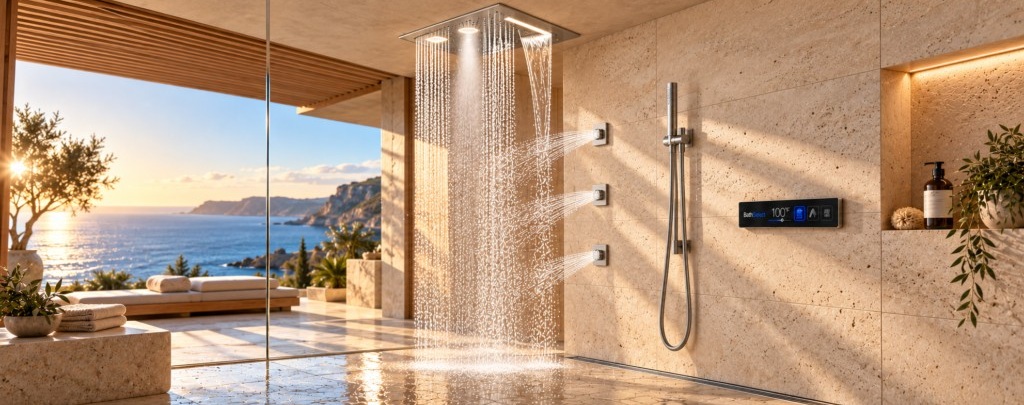
Spa-inspired bathrooms are increasingly popular in modern homes. Designers incorporate rainfall showers, body jets, steam systems, and luxury finishes to create environments focused on relaxation and wellness. Homeowners exploring these improvements can begin with our guide to the best bathroom shower upgrades for modern homes, which explains practical fixture options and renovation considerations.
The best shower systems for spa-style bathrooms combine broad water coverage, comfortable temperature control, flexible spray options, and materials designed for long-term performance. However, selecting the right system involves more than choosing an attractive showerhead. Water pressure, plumbing capacity, shower dimensions, maintenance access, and installation requirements all influence the final result. For homeowners considering temperature stability, our article on thermostatic shower panels and temperature-controlled showers provides additional information about this technology.
For more advanced installations, architects and contractors should evaluate concealed valve compatibility, available water flow, and the requirements of multifunction shower configurations. These topics are explored further in our technical guide to thermostatic shower panels in modern AEC specifications and building standards.
This guide compares the main spa shower configurations, explains their technical requirements, and provides practical recommendations for homeowners, interior designers, architects, and contractors planning modern luxury bathrooms.
For most spa-style bathrooms, a rainfall shower combined with a handheld shower and thermostatic controls offers a practical balance of comfort, flexibility, and installation complexity. Larger luxury renovations may benefit from body sprays, digital controls, or steam features, provided the plumbing, electrical systems, waterproofing, and available space support them.
Best Shower Systems for Spa-Style Bathrooms: Types Compared
Different spa shower systems provide different levels of comfort, complexity, and customization. The following comparison helps identify which configuration best matches the bathroom layout and renovation scope.
| Shower System | Main Benefit | Installation Considerations | Best Application |
|---|---|---|---|
| Rainfall Shower | Broad overhead coverage | Mounting height and available flow | Modern residential bathrooms |
| Rainfall + Handheld | Comfort and flexibility | Diverter and outlet compatibility | Everyday luxury upgrades |
| Thermostatic System | Temperature regulation | Valve and rough-in compatibility | Comfort-focused renovations |
| Body Jet Spa System | Multiple directed spray outlets | Flow capacity and drainage | Larger walk-in showers |
| Digital Shower | Electronic control features | Power, controls, and service access | Smart luxury bathrooms |
| Steam Shower | Enclosed steam-bathing experience | Steam-rated enclosure and equipment | Full spa-style remodels |
Features of Spa Shower Systems
A premium spa shower system may include rainfall shower heads, body jet massage systems, thermostatic temperature control, and LED lighting effects. Each feature contributes differently to comfort, functionality, and bathroom design.
Rainfall Shower Heads
Rainfall showerheads distribute water across a relatively wide overhead area. Ceiling-mounted models create a streamlined architectural appearance, while wall-arm installations may be easier to incorporate into existing bathrooms. Head size should be selected according to available flow, mounting height, and enclosure dimensions.
Body Jet Massage Systems
Body sprays direct water toward selected areas of the body and can supplement an overhead shower. Their positioning should consider user height, comfort, and the direction of the spray. Multiple outlets increase the importance of calculating total flow demand and ensuring adequate drainage.
Thermostatic Temperature Control
Thermostatic valves adjust the mixture of hot and cold water to help maintain a selected outlet temperature within their operating limits. The exact valve, temperature-limiting features, and installation configuration must meet applicable manufacturer instructions and local requirements.
LED Lighting Effects
Integrated lighting can contribute to the atmosphere of a spa-inspired bathroom. Lighting products installed near water must be suitable for their intended wet or damp location. Designers should also provide comfortable general illumination rather than relying exclusively on decorative colored lighting.
For additional guidance, explore our article on thermostatic shower panels and temperature-controlled showers.
Designing a Spa-Style Bathroom Around the Shower
A successful spa-style bathroom begins with the shower layout rather than the decorative finish. The enclosure must provide adequate movement space, convenient control access, appropriate spray direction, and reliable water containment. Oversized showerheads can appear attractive in photographs, but their dimensions must be proportionate to the shower area. For additional renovation ideas, explore our guide to bathroom shower upgrades for modern homes.
For walk-in showers, position the main water outlets so spray does not unnecessarily reach the entrance or dry bathroom areas. Handheld showers should be mounted where they can be reached and used comfortably. In larger installations, body sprays should be coordinated with the intended users and the available water supply. Incorporating thermostatic shower panels and temperature-controlled shower systems can also help support consistent water temperature during everyday use.
Concealed plumbing and minimalist controls can create a refined architectural appearance, but maintenance access must remain part of the design. Before tile installation, confirm the locations of valves, serviceable components, wall penetrations, waterproofing membranes, and drainage connections. For further technical considerations, review our article on thermostatic shower panels in modern AEC specifications and building standards.
Water Pressure, Flow Rate, and Plumbing Requirements
A shower system’s performance depends on both pressure and available water flow. High static pressure does not necessarily mean that the plumbing can supply several outlets at once. Pipe diameter, valve restrictions, pressure losses, and hot-water production can all affect the delivered spray.
For example, a system containing a rainfall head, handheld shower, and several body sprays may have a higher total flow requirement when multiple outlets operate simultaneously. Designers should calculate the expected demand using the actual manufacturer-rated outlet flows rather than assuming every spa system will work with existing plumbing.
According to the U.S. Environmental Protection Agency, conventional showerheads use 2.5 gallons per minute, while WaterSense-labeled showerheads must use no more than 2.0 gallons per minute and satisfy additional performance criteria.
Source: EPA WaterSense — Showerheads. Certification must be verified for the exact product model; it should not be assumed for an entire luxury shower system.
Contractors and project specifiers can also review thermostatic shower panels in modern AEC specifications and building standards for related technical considerations.
Thermostatic vs. Digital Spa Shower Controls
Thermostatic and digital controls serve different purposes. A thermostatic mixing valve regulates the mixed-water temperature mechanically or through a temperature-responsive mechanism. A digital shower system may use electronic controls, displays, and actuated valves to manage selected functions, depending on the model.
For a renovation focused on straightforward temperature regulation, a compatible thermostatic system may be sufficient. Digital controls may appeal to homeowners seeking an electronic interface or additional programmable features. However, electronic systems can introduce power requirements, component access needs, and more specialized servicing.
The preferred option should be based on product-specific functionality, installation compatibility, long-term maintenance, and the user’s daily preferences rather than technology labels alone.
Leading Brands for Spa Shower Systems
Manufacturers including Kohler, Grohe, Delta, FontanaShowers, and JunoShowers produce shower products suitable for different spa-inspired bathroom designs. Product ranges vary in control technology, finishes, spray configurations, and installation requirements.
Rather than selecting a brand based solely on its appearance or reputation, compare the exact shower system models. Important evaluation criteria include documented flow rates, compatible valves, replacement-part availability, warranty terms, installation manuals, and suitability for the project location.
A professional specification should identify the selected model and finish, rough-in components, operating requirements, and the number of outlets intended to run simultaneously. These details are particularly important when combining products or replacing concealed plumbing components.
Gold Spa Shower Systems and Premium Finishes
Luxury spa bathrooms often feature gold fixtures for visual warmth. Collections of luxury gold shower systems combine modern design with rainfall shower technology.
Gold finishes can complement white marble, light gray stone, warm neutral tile, and understated architectural details. Brushed gold may create a softer appearance, while polished gold produces stronger reflections. Chrome, brushed nickel, matte black, and bronze provide alternative visual directions for contemporary spa bathrooms.
Finish selection should also consider the manufacturer’s cleaning instructions and the conditions of the local water supply. Harsh cleaning chemicals and abrasive materials can damage some decorative finishes. Consistent finish selection across showerheads, controls, drains, and accessories helps create a coordinated design.
Are Steam Showers Worth Considering?
Steam showers offer a different bathing experience from conventional rainfall systems. A steam generator introduces water vapor into a purpose-designed enclosure, creating a warm, humid environment. This feature can support a spa-inspired atmosphere, but it requires additional planning beyond a typical shower installation.
The enclosure, ceiling, door, waterproofing assembly, and construction materials must be suitable for steam exposure. The generator also requires correctly designed electrical and plumbing connections, service access, and installation in accordance with its manufacturer’s instructions.
A steam shower should not be treated as a simple add-on to an ordinary shower enclosure. Before specifying one, consult qualified installers and verify all product and building requirements.
Design Tips for Spa-Style Bathrooms
Spa-inspired design works best when materials, lighting, shower fixtures, and the overall layout support a calm and consistent visual environment.
Marble and Stone Surfaces
Use marble or stone-look materials to establish a refined architectural character. Confirm that floor finishes provide suitable slip resistance and that the assembly is correctly waterproofed.
Soft Architectural Lighting
Combine comfortable ambient illumination with suitable wet-location fixtures. Avoid excessive glare on reflective stone, glass, and metallic surfaces.
Oversized Rainfall Heads
Choose a showerhead proportionate to the enclosure, with adequate clearance, suitable mounting height, and compatible plumbing performance.
Neutral Color Palettes
Use white, cool gray, limestone, and muted natural tones to support a clean, timeless spa aesthetic without unnecessary visual clutter.
Technical Checklist Before Installing a Spa Shower System
Before purchasing a complete shower system, homeowners and contractors should verify the following:
- Water pressure: Confirm operating pressure under realistic conditions.
- Available flow: Calculate demand for all outlets intended to operate simultaneously.
- Hot-water capacity: Check the water heater’s ability to support the planned shower duration and flow.
- Valve compatibility: Match controls, diverters, trim, and concealed rough-in components.
- Waterproofing: Coordinate shower walls, penetrations, niches, floors, and drains.
- Electrical requirements: Review installation requirements for digital controls, lighting, and steam equipment.
- Service access: Provide appropriate access to replaceable and maintainable components.
- Local regulations: Confirm plumbing, electrical, and building requirements with qualified professionals.
Common Mistakes When Choosing Luxury Spa Shower Systems
One common mistake is choosing a large rainfall showerhead or multiple body sprays without verifying whether the plumbing can support the expected flow. Another is purchasing visible controls and trim before confirming compatibility with the concealed valve.
Homeowners should also avoid overlooking access to electronic components, assuming all digital showers provide identical functions, or selecting decorative finishes without checking maintenance requirements.
The most successful spa-style bathrooms balance visual quality with realistic operating requirements. Careful coordination before construction can prevent unnecessary replacement work and improve long-term usability.